Best Friends for Dinner video 1
Optional video; may contain spoilers.
Best Friends for Dinner








Video
Optional video; may contain spoilers.
Optional video; may contain spoilers.
Home
Independent preparation checklist. No game branches, saves or achievements. Resets when this page reloads.
0 of 4 preparation items checked. This does not affect the story.
Go to reading guideJump to the play area, read the introduction, and open the FAQ for this horror visual novel page.
Best Friends for Dinner trades resource management and combat for a tightly contained encounter. Demonward's kinetic visual novel follows Donna meeting Oz, a wolf, across approximately one thousand words. A typical reading is described as about five minutes, although your own pace may be slower. For visitors arriving from Survive Min, the important distinction is that this is narrative tension rather than a mechanical survival loop. There is no basis for promising crafting, combat, timed escapes, or a system for optimizing your chance of staying alive.
The story is linear. It has no official branching paths or multiple endings, so a guide that offers a perfect dialogue sequence would be inventing a problem and its solution. The preparation advice here instead helps you understand the content boundaries, arrange a comfortable reading session, and recognize where browser behavior differs from story behavior. You can engage thoughtfully with an uneasy encounter without pretending that every unsettling detail is a puzzle with a hidden input.
Before troubleshooting controls or choosing a display size, decide whether the subject matter is appropriate for you. The supplied themes include black humor, an unsettling atmosphere, implied violence, poisoning, and exclusion. Implication can be enough to make a scene distressing; the absence of a promised graphic depiction is not a guarantee of comfort. A compact story can concentrate tension rather than soften it, so its short duration should not be used as a reason to dismiss the warning.
Our reading readiness checklist is intentionally outside the fictional world. It asks about your preparation, not about Donna's choices. Checking every item does not protect a character, alter the narrative, or create a save. You may leave it incomplete and decide not to play. That is a useful outcome for a preparation tool, not a failed objective. The checklist keeps its state only during the current page session and should not be treated as a persistent record of what you have read.
The official desktop releases are for Windows, Mac, and Linux. This page uses the browser iframe supplied for the website, hosted by a third party. It should not be mistaken for an official web edition merely because it loads under a familiar play button. Distribution context matters when asking about compatibility: the capabilities of a desktop release do not automatically prove the capabilities of this browser presentation.
A website can control the space around an embedded game without controlling the game's internal menus or storage. Our page supplies an entry point and surrounding guide, while the remote frame supplies the actual story interface. If a control or save feature is absent inside that frame, the surrounding page cannot manufacture it. Follow the running build's own instructions and avoid assuming that shortcuts remembered from another visual novel apply here. This boundary also explains why a responsive webpage does not, by itself, verify mobile input support.
Give yourself a quiet interval rather than trying to squeeze the story between several simultaneous tasks. Close distracting overlays if they cover the reading area, choose an orientation that leaves dialogue legible, and establish a comfortable volume if the running build presents audio. These are optional comfort measures, not requirements imposed by the plot. There is no need to create a complicated strategy sheet for a short linear visual novel.
On smaller screens, inspect the first visible interface before advancing far. Can you read the text without repeatedly zooming? Can you reach the displayed controls without hitting browser chrome? If not, a larger screen may be preferable. The frame on this page follows a widescreen presentation, but that only describes the parent layout. It does not certify every device or guarantee that the game adapts perfectly to portrait mode. Treat comfort as something you assess from the actual session rather than a claim inferred from a screenshot.
Use the page's play entry and allow the game host time to respond. A slow first request is not evidence of a story event, and repeated clicks during loading may create confusion once the interface appears. When the frame is ready, focus it and read any instructions it supplies. If the browser scrolls instead of the game responding, check which part of the page currently has focus before concluding that a command is broken.
Do not test a long list of guessed keyboard shortcuts while dialogue is visible. An unfamiliar key might skip text or activate a mode you did not intend, depending on the running software. Begin with clearly presented controls and change one thing at a time. If fullscreen is available, use it for readability rather than as a supposed fix for plot progression. A fullscreen request can be denied by a browser; returning to the embedded view should remain a reasonable way to continue reading.
Readers accustomed to survival games may instinctively ask which action avoids danger. Here the more useful question is what the story has actually told you so far. Separate observed dialogue, a character's claim, and your interpretation of that claim. This simple distinction prevents a suspicion from hardening into a false memory. It also makes the compact format easier to discuss afterward, because you can identify which detail supports your reading.
Donna meeting Oz is the starting fact, not permission to invent a larger biography or a system of alliances. A wolf character may activate familiar expectations, but those expectations belong to the reader until the story supports them. Let the encounter establish its own terms. The atmosphere may encourage uncertainty, and uncertainty is not necessarily something a guide should remove. In a linear work, paying attention can deepen understanding even though it does not change what the author has arranged to happen.
Black humor creates room for reactions that do not fit neatly into a single mood. You might find a situation absurd while still feeling apprehensive about it. Rather than forcing every line into either comedy or horror, consider how the two responses affect each other. A friendly phrase can become uncomfortable through context, and an uneasy implication can become stranger when the delivery refuses to treat it solemnly.
The theme of exclusion offers another way to examine this tension. Ask who seems entitled to define friendship, who is being welcomed, and what belonging appears to require. These are questions for interpretation, not instructions for manipulating a relationship meter. The page does not claim that kindness points, suspicion values, or hidden loyalty conditions exist. If you describe the game to someone else, keep the distinction between thematic questions and implemented mechanics clear so they do not begin looking for systems the story never promised.
Even a five minute story can be interrupted. If you need to step away, look for a visible in game pause or menu option rather than assuming that switching tabs freezes everything. The available interface is the authority on what the current browser build supports. This guide does not verify persistent saving, automatic checkpoints, or cross device continuation, so it would be misleading to promise that closing the tab preserves your exact position.
Before refreshing to address a technical problem, weigh the possibility of losing your place. For a brief linear story, beginning again may be manageable, but that is still a decision worth making consciously. Avoid clearing all browser data as a routine fix. It can remove information belonging to other sites and does not isolate the source of an iframe failure. A careful troubleshooting sequence changes one relevant condition at a time and observes the result instead of applying increasingly destructive guesses.
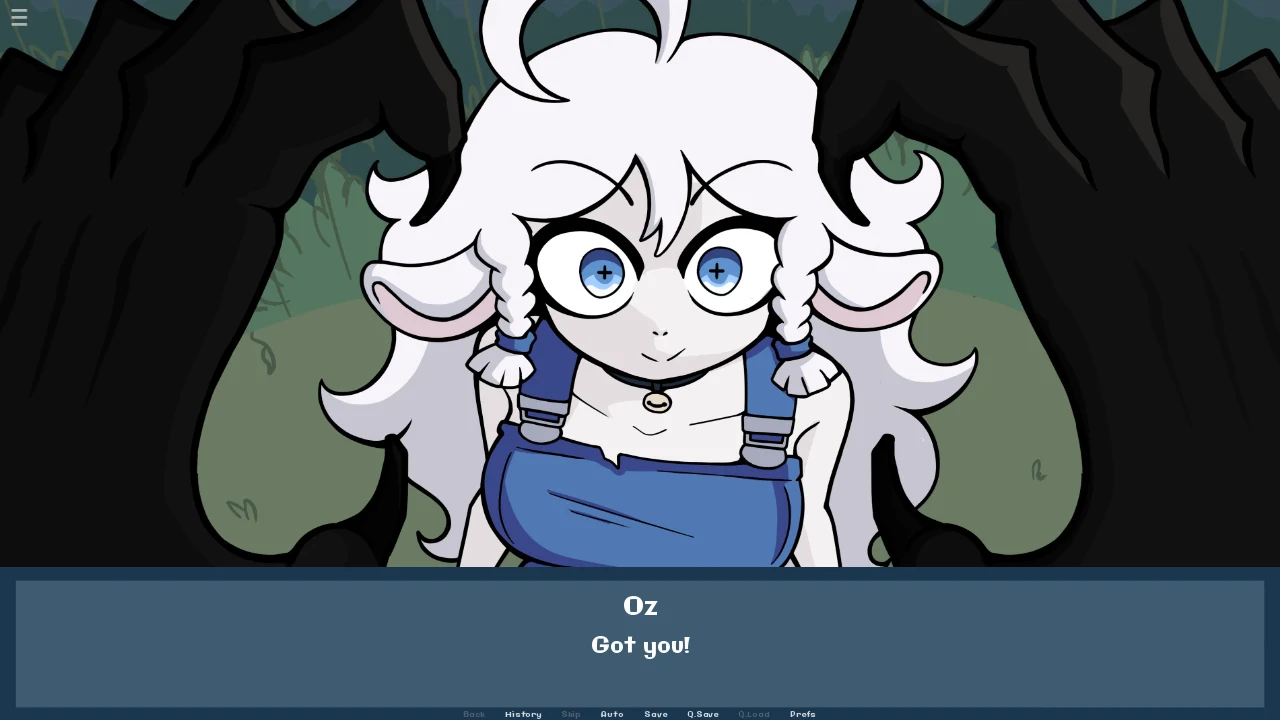
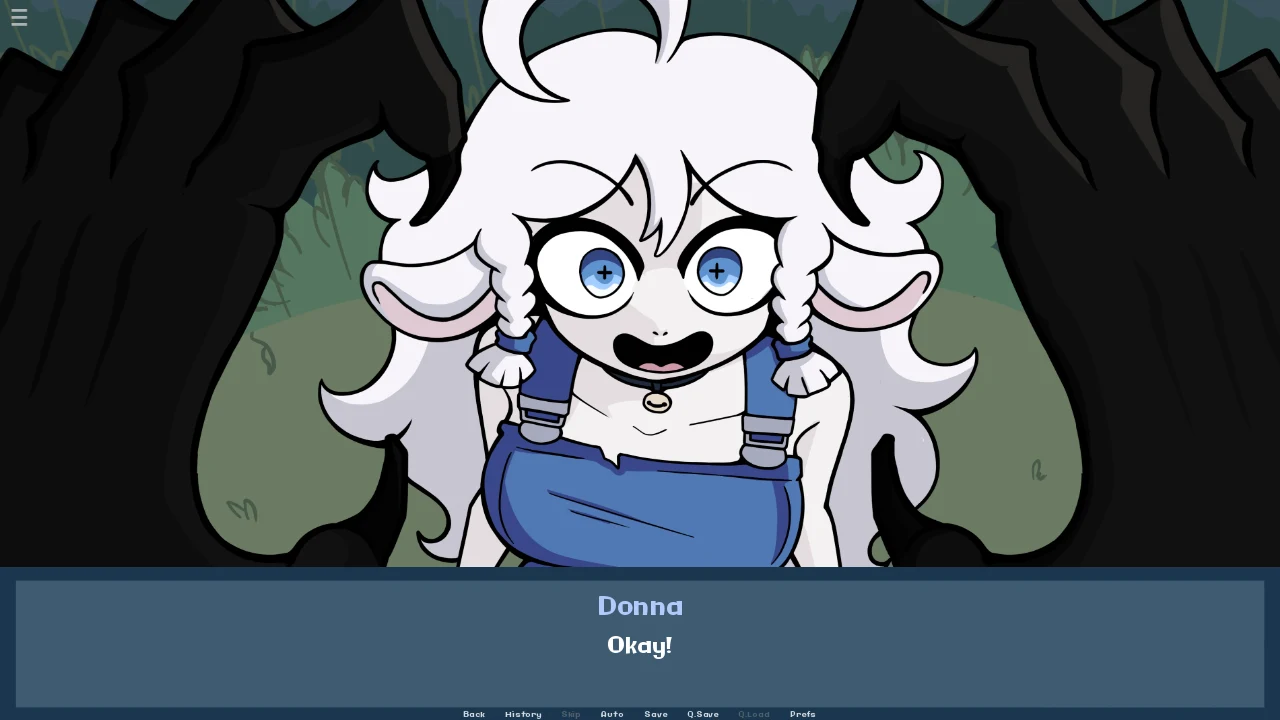
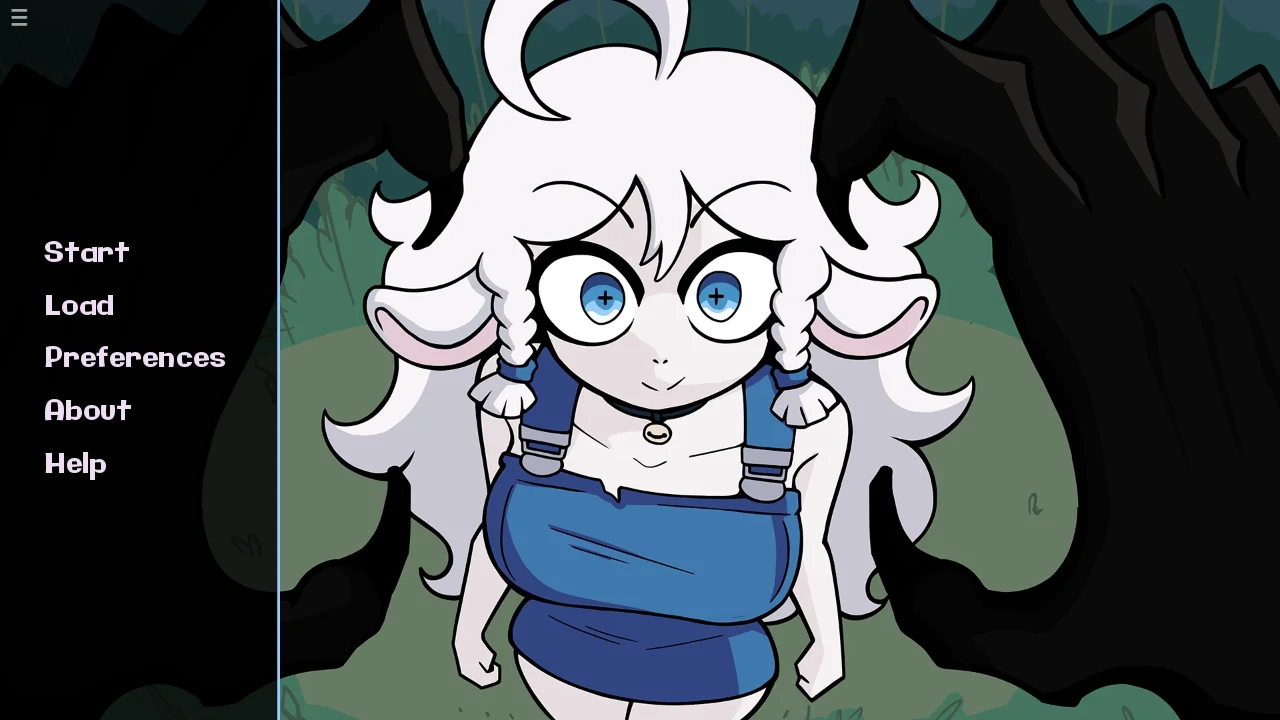
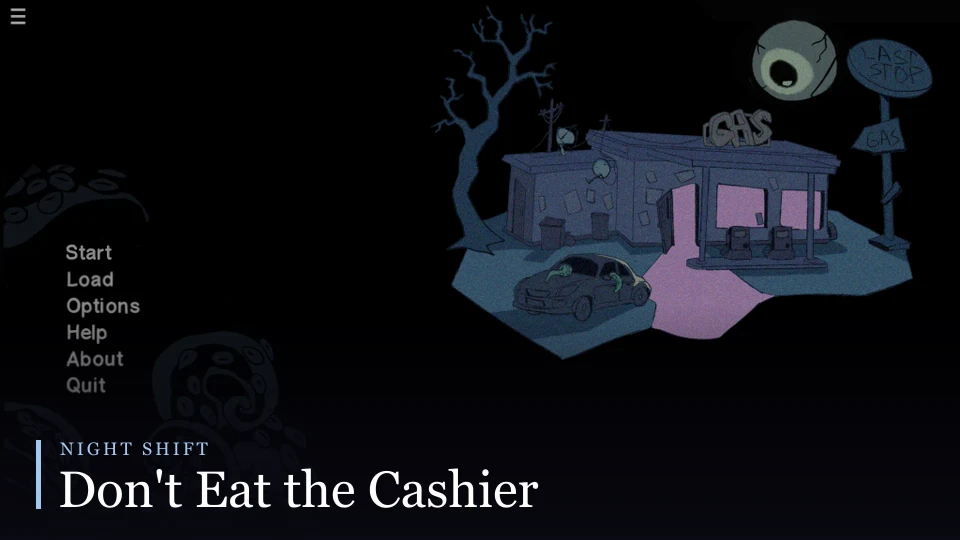
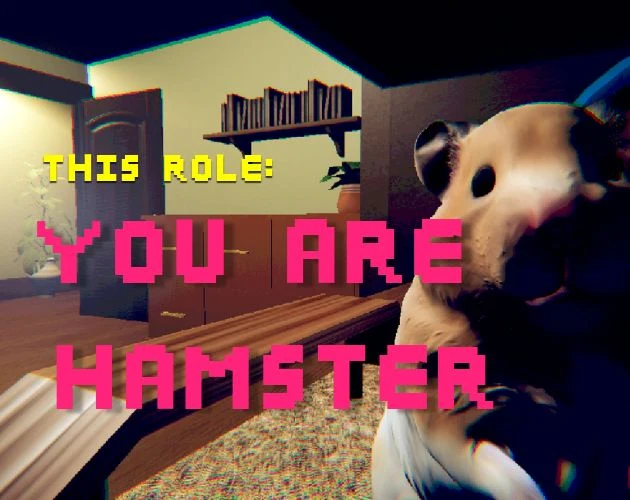
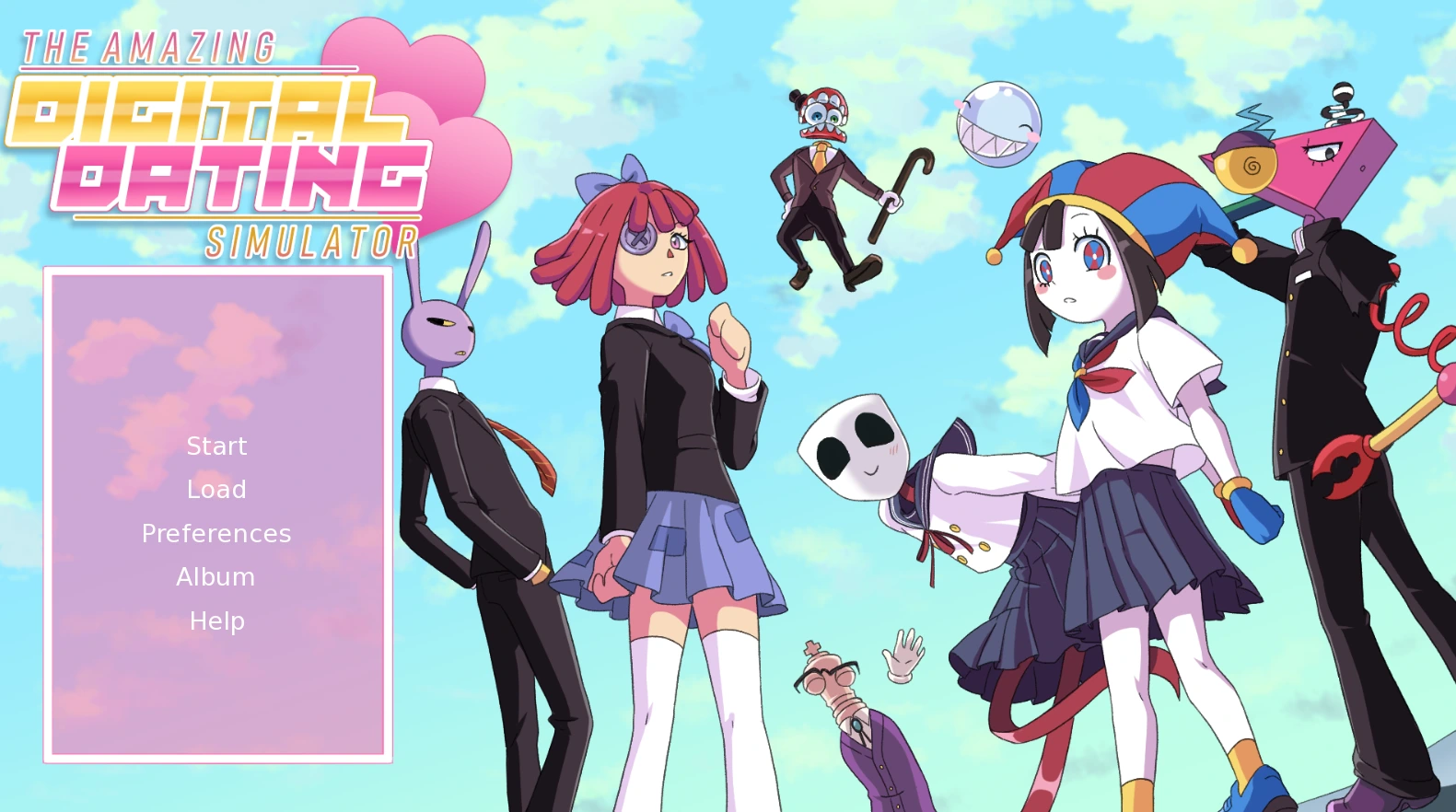
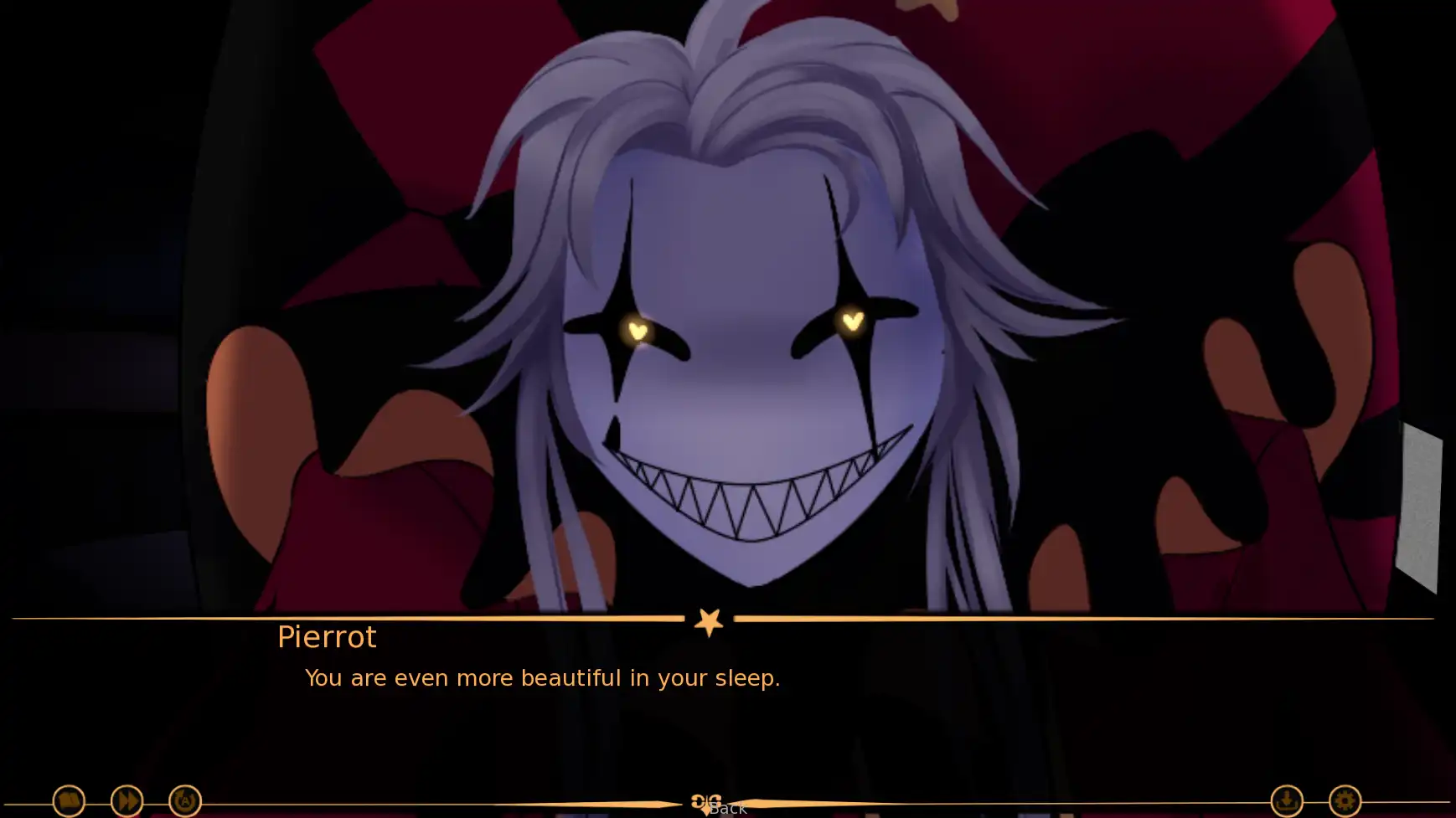
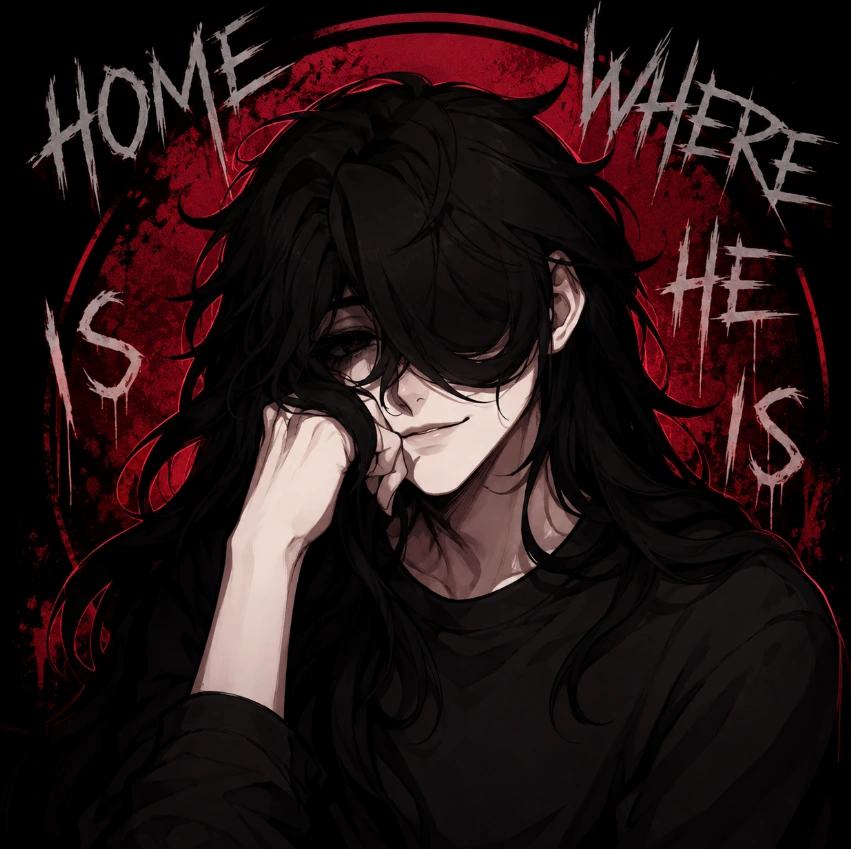
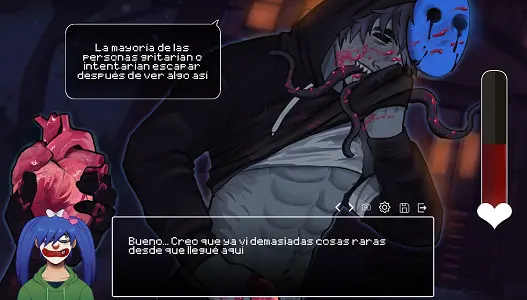
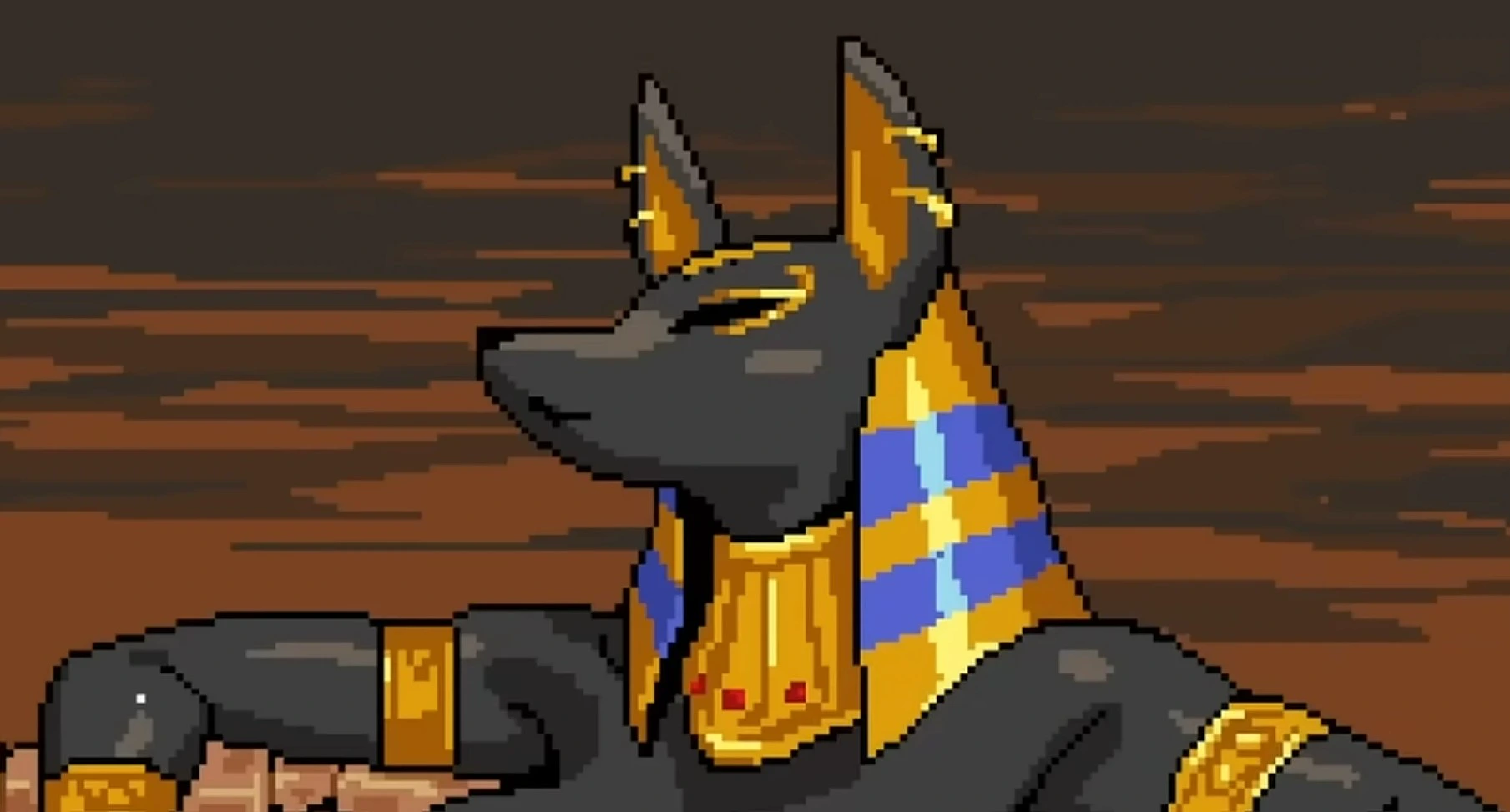
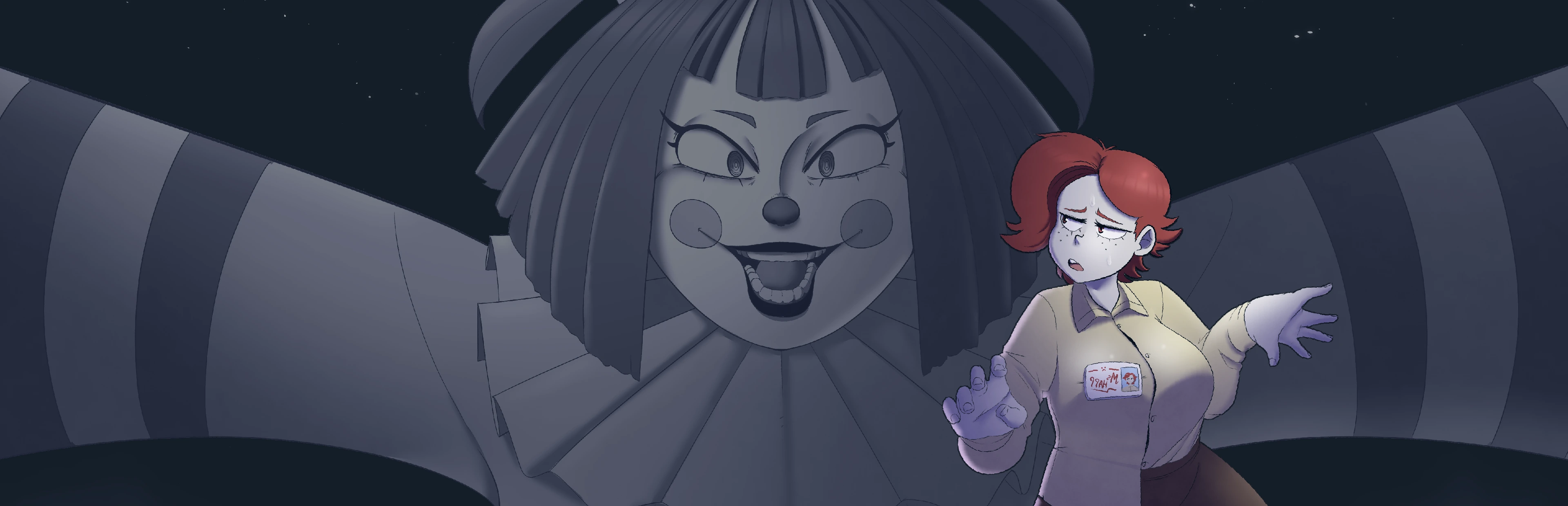
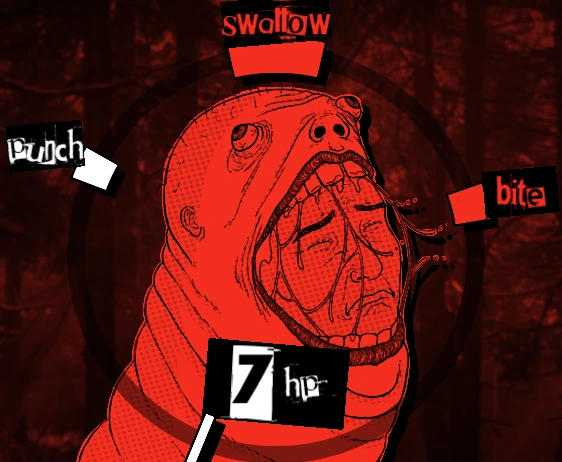
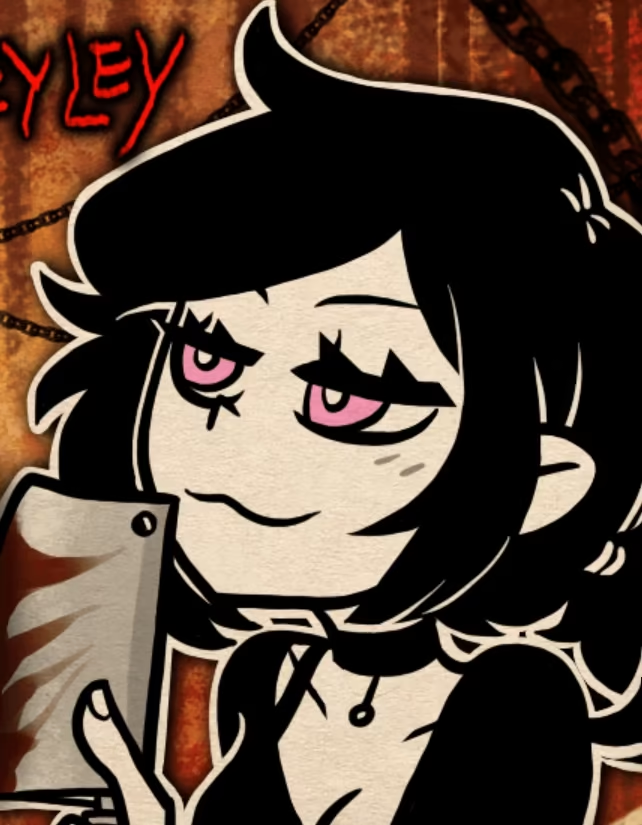
Images placed between the guide sections provide visual reference without a claimed walkthrough order. Their presence does not establish a branching route, a secret interaction, or the exact state of the running browser version. A neutral caption is appropriate when the precise scene context has not been verified. Do not treat a picture as proof that a particular object is clickable or that a character reaction follows from a choice you can make.
The two YouTube embeds are optional supplements and may disclose narrative material. For a work this short, even a brief preview can cover a substantial part of the experience, so consider reading first and watching later. Their availability is controlled independently of the game host. An unavailable video does not establish that the game is broken, and a working video does not establish that the iframe works. Keep those two checks separate when reporting a problem or deciding how you want to encounter the story.
After reading, consider writing two short notes: one about a detail you actually observed and another about the feeling or interpretation it produced. This creates a useful boundary between evidence and response. You do not need to produce a definitive explanation of every implication. A small work can remain interesting precisely because readers give different weight to tone, language, and the expectations they brought into the encounter.
If you return for another pass, choose a narrow purpose such as following the changes in your trust or noticing the timing of uncomfortable humor. Do not frame the second session as unlocking a different ending, because no official multiple ending structure is established. When recommending the game, mention Demonward, the short kinetic format, Donna and Oz, and the warning themes. That provides practical guidance without turning a recommendation into a plot summary or claiming that your personal reading is the only valid conclusion.
A useful issue report distinguishes where the failure occurred. State whether the guide loaded, whether the play entry responded, and whether the remote frame showed text, a loading screen, or an error. Include the browser and device type if you know them, but do not post private account details or unrelated browsing data. This information is much more actionable than simply saying that the story did not work.
If the game loads but the text is difficult to read, describe the viewing conditions rather than calling it a plot bug. If an input fails, explain the visible control and whether the frame had focus. Neither report should claim that a secret route is inaccessible: this is a linear story, and technical failure is not hidden narrative content. These distinctions help preserve an accurate understanding of the game while making practical follow up possible without inventing promises about a fix or a verified compatible device.
→No. It is a short kinetic visual novel, not a resource management or combat game.
→Demonward created Best Friends for Dinner.
→Donna meets Oz, a wolf.
→No official branching paths or multiple endings are established. The narrative is linear.
→Expect black humor and unease, with implied violence, poisoning, and exclusion.
→The approximately 1,000 word story is described as about five minutes; leave extra time if you prefer slower reading.
→This page embeds a third party browser version. Official desktop platforms are Windows, Mac, and Linux.
→No. It is a temporary website checklist, not a save system or a game mechanic.