






Before your next attempt
Manual preparation only. This does not read or save game progress. Checks reset on reload.
From reading a reaction to reading a room
Odio el chocolate moves the source of uncertainty from a conversation into a space you must navigate. You look around, search for chocolates, keep track of your condition and respond to the current objective. Unlike a visual novel, progress is not mainly about choosing a line and reading the reply. Your position and attention become part of the decision.
For Survive Min visitors, this is a horror alternative rather than another route through the same kind of relationship story. There is no promised affection meter, dialogue ending chart or shared save. The common ground is the feeling of incomplete information. The practical difference is that you must often understand that information while moving through the environment.
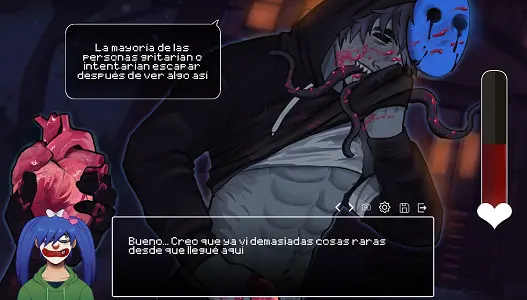
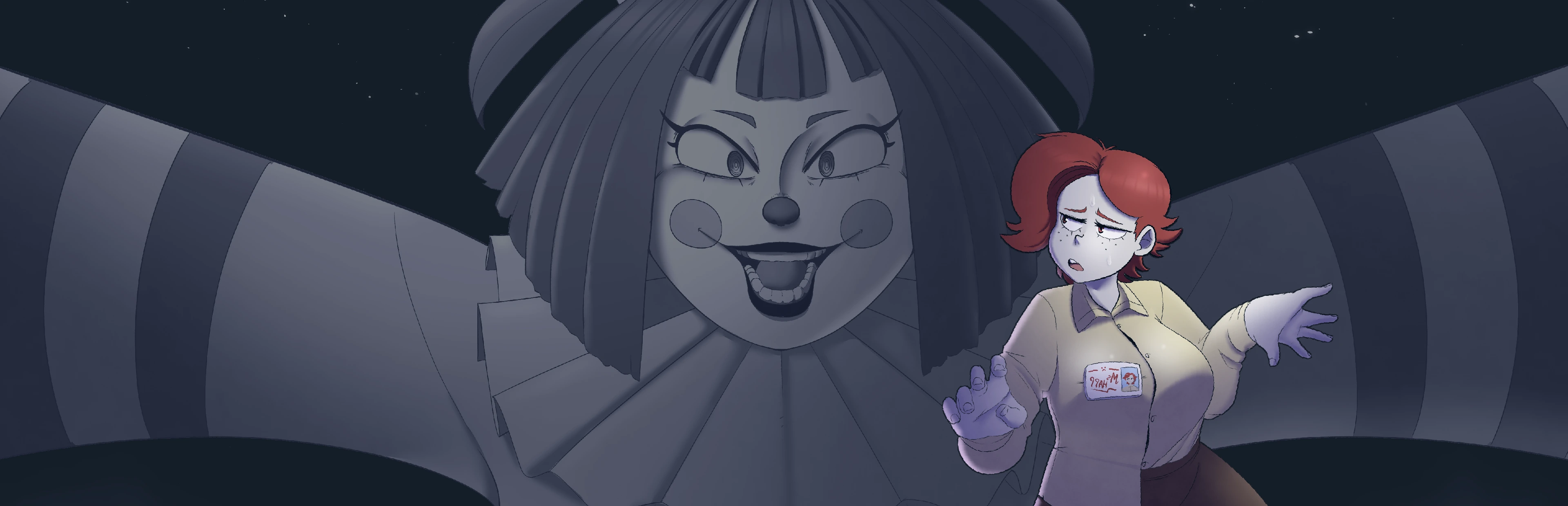
Wantho's original project is a Baldi's Basics mod. This page provides the supplied browser embed, with reference images and two videos from the source site. The hosted edition has not been certified here as identical to the original download. Start by reading its own instructions, and treat every version-specific claim as something that needs the right evidence.
Give your attention a manageable job
A first session does not need to become a full completion attempt immediately. Choose a small job: learn how to face a door again after turning away, or confirm one pickup through the counter. This gives you a concrete way to notice improvement. If the run becomes stressful, an understandable stopping point is more useful than a hurried promise to finish everything.
Divide observation into three questions. What is visible now? What action is the game asking for? What are you merely assuming? This is a thinking aid, not an in-game mechanic. A corridor seen in a screenshot may be a useful landmark, but it cannot tell you whether the current route is clear or whether the pictured object remains there.
The preparation checklist below keeps these questions outside the game. It is manual and resets when the page reloads. Marking an item does not collect chocolate, change difficulty or tell the host that you are ready. Its value is simply to make your own intention explicit before the game demands more attention than a quiet reading page.
Find a calm input rhythm
Click inside the frame before using the keyboard. The source controls describe W A S D movement and mouse look, with left-click for doors and collection. Test a short movement and an ordinary turn in the opening area. Do not decide the controls are broken because a key went to the surrounding website after you clicked a guide.
A calm rhythm is action, observation, then another action. Approach a possible pickup, interact once and inspect the response. If nothing changes, consider focus, position and aim separately. Random clicking while moving the camera creates several possible explanations at once. One small correction at a time makes the result easier to understand and reduces unnecessary frustration.
The documented Shift action is sprinting. Check the stamina display when trying it, rather than treating speed as the default for every movement. Your goal is not to suppress every moment of tension. It is to keep enough attention available to recognize what the interface says. Follow the current menu if its bindings differ from the reference controls.
Let landmarks carry some of the memory
You do not need to remember an entire building to make the next turn more deliberate. Notice the entrance to the room you are in and one feature that distinguishes it from the corridor outside. A desk, doorway or change in arrangement can become a memory cue, provided you actually observed it rather than borrowed it from someone else's video.
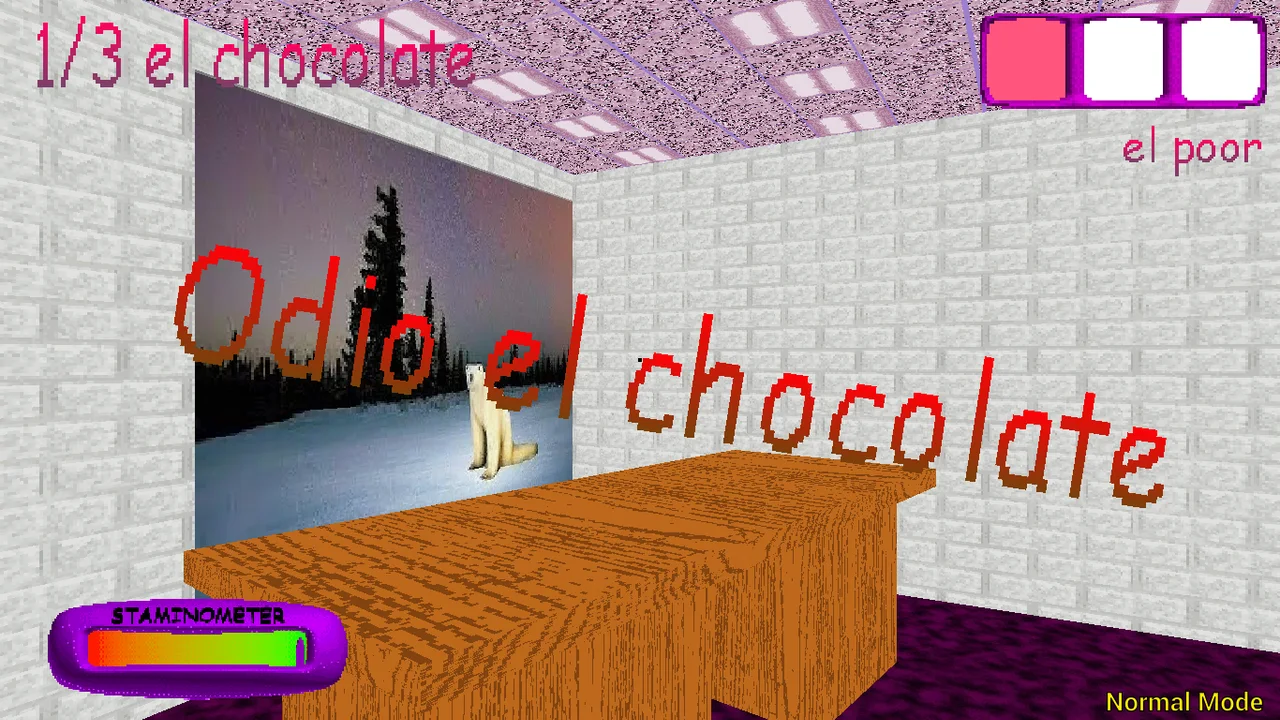
The classroom image demonstrates a readable scene with several features competing for attention. Look first for how you entered, then for a possible interaction area. This order is a suggested search habit, not a scripted solution. A still image does not establish a safe route, a spawn location or the direction a threat will take during your session.
When you return somewhere familiar, check whether your earlier inspection was complete. Familiarity can create false confidence: you may recognize the room without remembering what you did there. A simple distinction between checked and uncertain is enough. Avoid turning notes into a second stressful task; record only the detail that will help the next decision.
Keep collection separate from completion
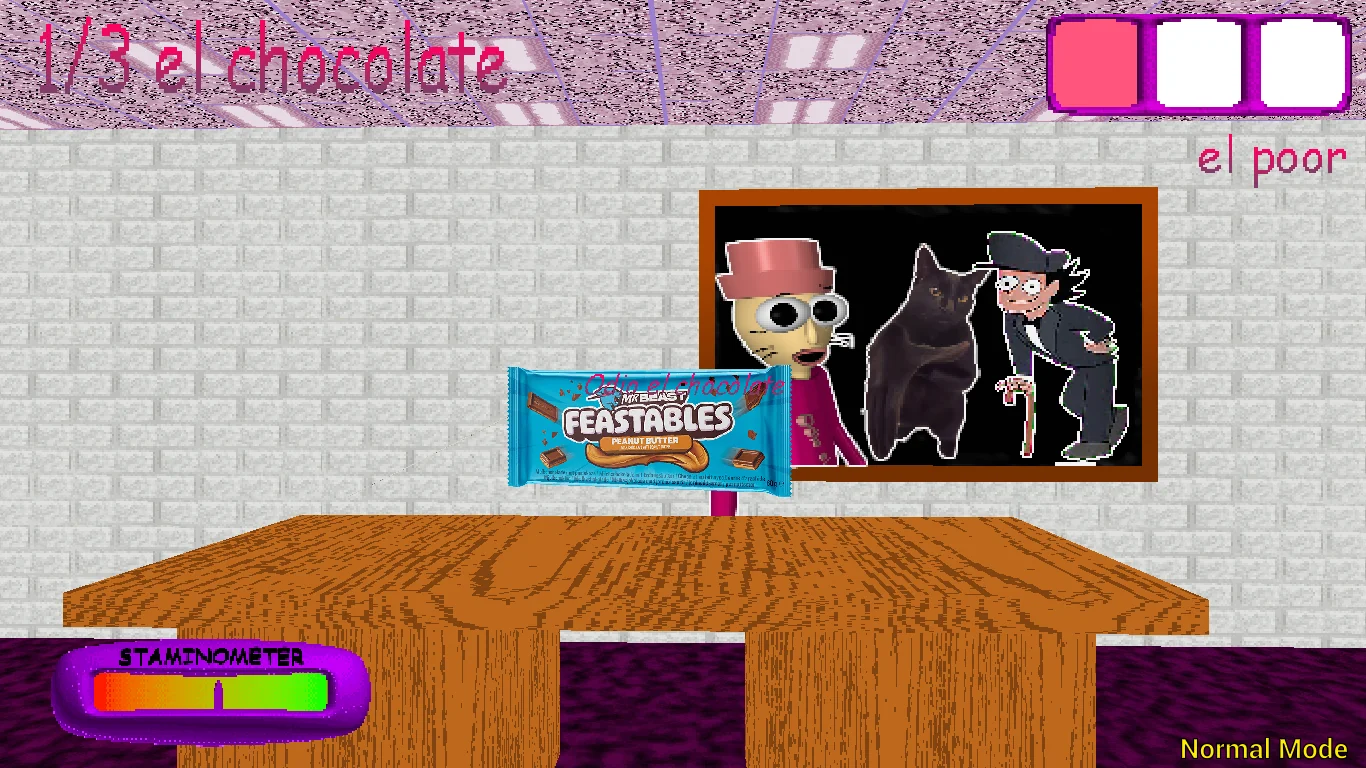
A counter is helpful because it makes part of your progress visible. It is not the whole game. Reference material for Main describes collecting chocolate and an exit objective, so filling the collection requirement should not cause you to stop reading the screen. Wait for the game's own completion feedback rather than letting a manual checklist declare success.
Be especially careful with images that show small totals or partial counts. The original project's phase behavior and different releases can complicate what a number means. This page does not present three as a universal finish target. Inspect the current objective and keep any note about a count attached to the mode and situation where you actually saw it.
This is the same evidence discipline that helps with an ambiguous story, applied to an action interface. A visible change is stronger than a confident assumption. If an expected result does not occur, return to what the game actually displayed. You can revise your interpretation without deciding that the entire run was wasted or that you must immediately restart.
Make room for uncertainty around items
The reference input scheme uses number keys one through three for inventory selection and right mouse for using the selected item. Pause your intention long enough to check the slot before spending anything. The action you meant to take and the action the interface was ready to accept are not always the same.
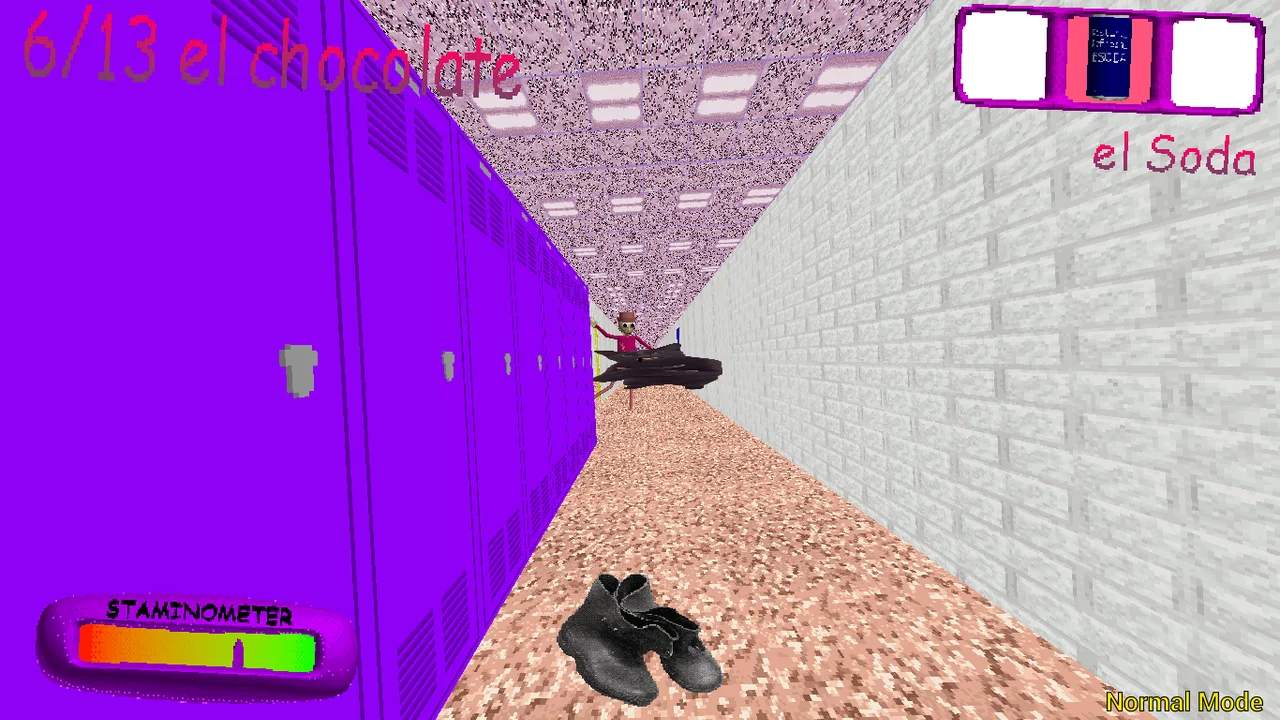
An item picture does not provide a complete rulebook. The source includes an inventory scene with soda, but an isolated image cannot establish all effects, durations or ideal uses. Read in-game information when available and observe the response. If you cannot tell what happened, write that uncertainty honestly rather than copying an explanation that belongs to another release.
Avoid treating every difficult moment as a demand to use an item. Sometimes the immediate problem is orientation or focus rather than a missing resource. This guide does not promise that walking away, turning or using a particular slot will solve every encounter. It helps you identify the problem before deciding which tool, if any, should be involved.
Choose a mode without borrowing a ranking
The source material shows Main, Baltazar, Low Cortisol and Triple Trouble. These names provide a way to identify menu choices, but they do not justify an invented easy-to-hard table. Read the description that accompanies the option in your build. If the instructions are unfamiliar, spend your first attempt learning them rather than demanding a clean comparison.
Change one part of the experience at a time when possible. A new mode, a different device and a new input method together make it difficult to tell why a run felt different. Keeping the controls stable while reading a new objective gives you a clearer comparison. This is a practice strategy, not a claim about hidden game variables.
Do not let a playful label or cartoon-like image decide your personal comfort level. Tension and pursuit can still be unpleasant when the art looks unusual rather than realistic. Set a comfortable audio level, keep a way to leave fullscreen in mind and stop when you want to. No checklist or guide requires you to complete every mode.
Distinguish access from compatibility
A working website and a playable embedded game are separate conditions. The frame requests content from another host, and a network or privacy restriction may affect it independently. If loading stalls, inspect visible feedback and give the request a reasonable chance before retrying. Repeated reloads can reset the process without explaining why it stalled.
Fullscreen makes the game larger but does not establish touch support. The native Android screenshots in the source show that edition's interface; they should not be interpreted as buttons promised by this browser player. Installing the website is also different from downloading the original game. It does not guarantee offline access to the embedded content or persistence of a run.
For lost keyboard response, try restoring frame focus first. For a fullscreen refusal, use the ordinary frame or direct-game link. For a device without suitable input, use a keyboard and pointer rather than assuming that rotating the screen creates them. These checks separate technical barriers from the game's challenge and prevent unnecessary self-blame after an interrupted session.
Use a review that lowers confusion
After playing, ask which moment was unclear and what evidence would have made it clearer. Maybe you did not see the counter change, forgot which doorway you used, or selected a slot without checking it. Choose one of those details for the next visit. A focused question can turn an unsuccessful run into a useful observation.
The two optional videos may reveal scenes, encounters and outcomes. Watch them only when you want that context, and remember that their build may differ from the live embed. A good viewing task is to notice how the player checks the HUD between actions. It is less useful to assume that matching every turn guarantees the same result.
This page offers a change of pace within a horror collection, not a continuation of Min's routes. Return to story-focused play whenever that is what you want. Your notes and the preparation panel belong to your own process; they do not become game saves. Keep the boundary clear, take breaks freely, and let each session answer a small, practical question.
Odio el chocolate video references
Optional footage selected by the source website. Spoilers and version differences are possible.
Questions before playing
Is this another Min story route?
No. It is a separate game with active exploration and collection rather than a continuation of Min's dialogue.
What is a reasonable first goal?
Confirm one pickup or practise turning back toward a room entrance. A small observed improvement is useful even without finishing a run.
Should I keep playing if it becomes unpleasant?
No. You can stop, lower the volume or choose another game. Completing a checklist is never an obligation.
Does a count of three mean I have finished?
Not universally. Counts require mode and stage context; follow the live objective and completion feedback.
Why did movement stop after reading?
The frame may have lost keyboard focus. Click inside and test a basic action before reloading.
Does installing the website install the Android game?
No. It does not install the APK, create native touch controls or promise offline embedded gameplay.
Does the helper remember my progress?
No. It is a temporary manual preparation panel and cannot read the game's state.
Can I learn without watching spoilers?
Yes. The videos are optional; use the written controls and observation steps first.