Home Is Where He Is Video
A video look at the mood, pacing, and uneasy domestic atmosphere around Home Is Where He Is.
Play Home Is Where He Is Online







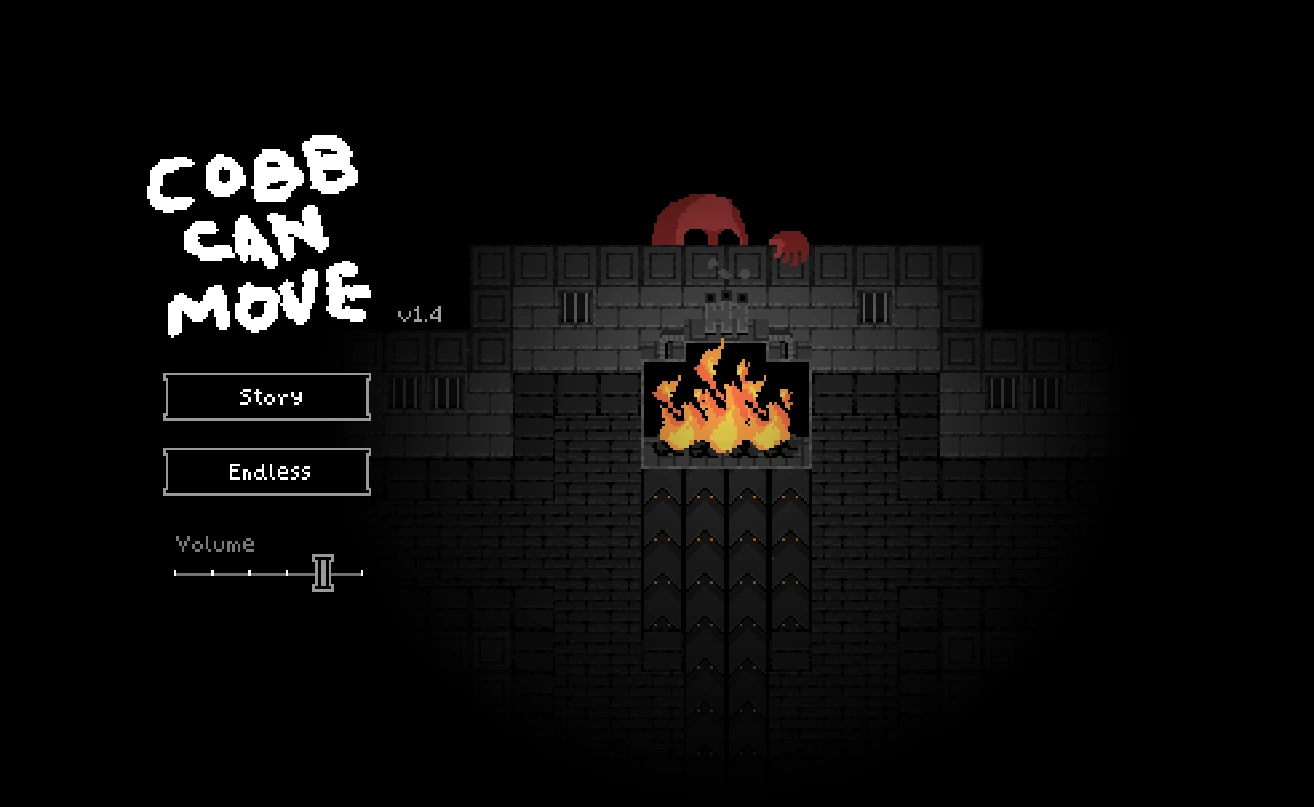













Video
A video look at the mood, pacing, and uneasy domestic atmosphere around Home Is Where He Is.
Additional gameplay coverage for players who want to preview Home Is Where He Is before starting the browser build.
Home
Jump to the play area, read the introduction, and open the FAQ for this horror visual novel page.
Home Is Where He Is turns the idea of a safe house into something much harder to trust. The browser build begins with the familiar comfort of a home setting, then slowly changes the meaning of every room, every pause, and every ordinary domestic detail. Instead of treating horror as a faraway monster or a loud chase, Home Is Where He Is keeps the tension close enough to feel personal. The title itself becomes the warning: if home is defined by where he is, then comfort depends on a person who may not be safe to follow.
You can play Home Is Where He Is online here through the embedded frame above. Press Play, wait for the build to load, and let the story unfold at its own pace. This page is designed for players who want a simple browser launch point for Home Is Where He Is, plus enough context to understand the tone before the first run. The game fits players who enjoy psychological horror visual novels, tense relationship writing, and stories where quiet rooms feel more dangerous than dark forests.
The most important thing to know before playing Home Is Where He Is is that the fear works through closeness. A lot of horror games ask you to survive a place. Home Is Where He Is asks you to survive a bond, a routine, and the way a familiar environment can turn into a pressure chamber. That makes Home Is Where He Is especially effective for players who like emotional unease more than simple jump scares.
This survive-min.com page keeps the game at the center. The fullscreen player, quick notes, screenshots, video embeds, and FAQ are all built around one goal: make Home Is Where He Is easy to launch and easy to understand without making the page feel like a copied walkthrough. If you are returning for another route, use the player as a fast restart point. If you are new, read the introduction first, then start Home Is Where He Is when you are ready for a slower, more intimate kind of horror.
The story tone of Home Is Where He Is depends on contrast. A home should create order. A home should have familiar corners, predictable habits, and emotional shelter. Home Is Where He Is takes those expectations and tilts them slightly. The result is not instant chaos. The result is a slow awareness that the rules of the space may have changed while you were still trying to call it safe.
That kind of domestic horror can feel stronger than a monster reveal because it corrupts something ordinary. A door is not only a door. A hallway is not only a hallway. A line of dialogue is not only a line. In Home Is Where He Is, the player starts asking whether comfort is being offered freely or used as a way to keep someone close. The game becomes tense because the safest-looking choice can also be the choice that gives away the most control.
Home Is Where He Is works best when you read it slowly. The mood lives in implication, small changes, and the emotional weight of where the player stands in relation to him. This is why the game belongs beside psychological horror visual novels rather than action-heavy survival games. Home Is Where He Is is less about outrunning danger and more about recognizing when a room has become a relationship test.
For players coming from yandere horror, dark romance, or tense character-driven games, Home Is Where He Is should feel familiar without feeling identical. It uses intimacy as a threat, but it does not need to shout that threat constantly. The better question is whether you can tell when affection, protection, and possession have stopped being separate ideas.

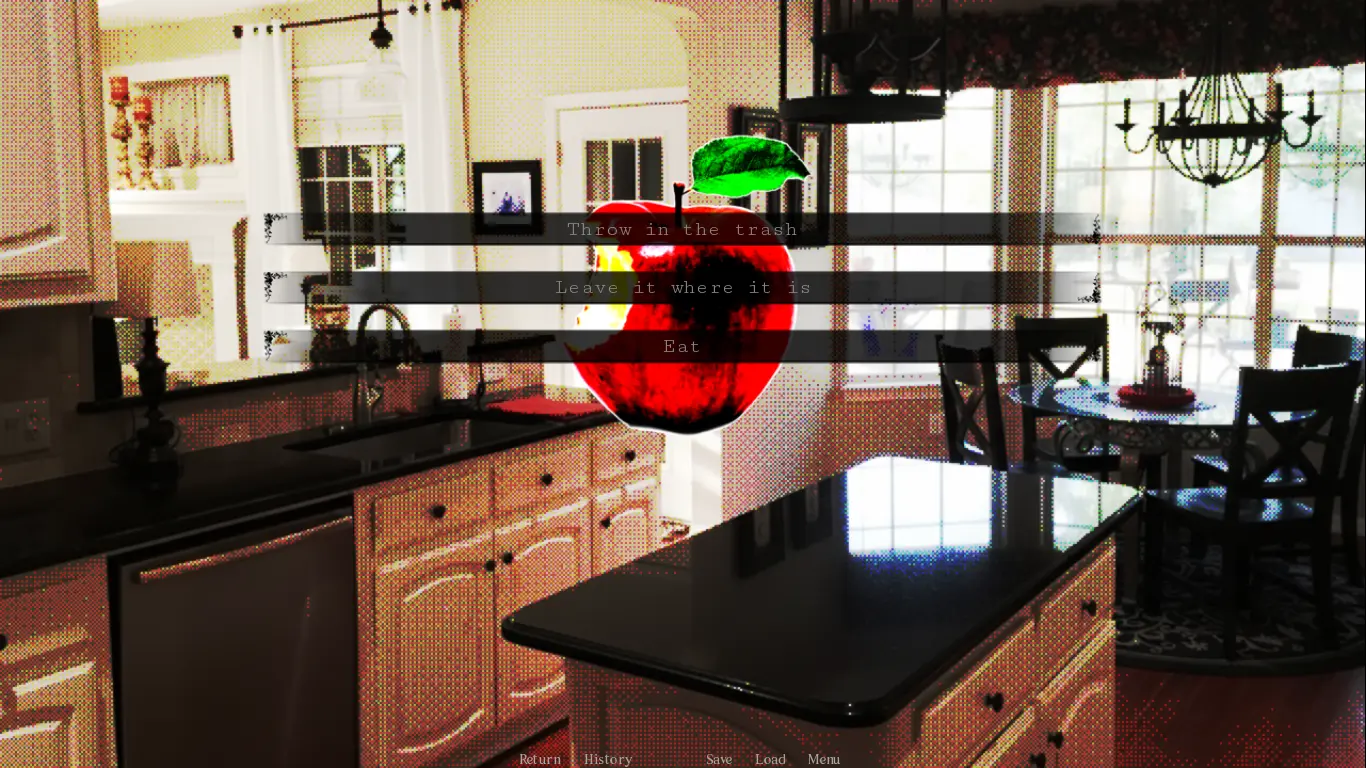
Home Is Where He Is plays like a browser horror visual novel, so your main tools are attention, patience, and careful reading. Start the embedded build, click inside the player if the frame needs focus, and advance through the text without rushing. If choices appear, treat them as emotional positions rather than simple points on a good route or bad route. In Home Is Where He Is, what you imply can matter as much as what you say directly.
For a first run, do not try to optimize. Let Home Is Where He Is show you what kind of fear it wants to build. Notice which words feel too soft, which pauses feel too long, and which details of the home begin to feel staged. A first route is most useful when it captures your natural reactions. After that, a second route can become more deliberate: warmer, colder, more resistant, more trusting, or more curious.
Desktop and laptop browsers are usually the best way to play Home Is Where He Is because the text, images, and embedded frame have more room. If you use a phone, rotate the screen if the frame feels narrow. Use fullscreen when possible. If the browser blocks sound, scripts, or storage, click the player once, refresh once, and check any extensions that may interfere with embedded games.
The best approach is to treat each scene as a negotiation over space. Who controls the room? Who defines what home means? Who decides when comfort becomes obligation? Home Is Where He Is becomes more interesting when you ask those questions while you play, because the story is often less about what is happening and more about who gets to decide what the moment is supposed to mean.
Home Is Where He Is feels unsettling because it does not rely only on visual darkness. The discomfort comes from emotional geography. The home is close, the person at the center is close, and the player is asked to stay close long enough to understand why that closeness feels wrong. That gives Home Is Where He Is a different flavor from horror games that keep danger outside the door. Here, the danger may already be inside the definition of home.
Another reason Home Is Where He Is works is that the premise invites two conflicting desires. Part of the player wants comfort, explanation, and stability. Another part senses that accepting comfort too easily may be dangerous. This conflict gives the game a strong psychological engine. You are not only choosing where to go. You are choosing how much emotional access to grant to the person who makes the house feel meaningful.
The game also understands that repetition can be frightening. Familiarity usually reduces fear, but in Home Is Where He Is, familiar elements can become suspicious. A room that repeats itself, a phrase that sounds rehearsed, or a gesture that feels too gentle can all become signals. Home Is Where He Is turns quiet recognition into tension, which is why it rewards players who notice details rather than players who only wait for loud events.
That makes Home Is Where He Is a good fit for players who enjoy games with interpretive weight. The story invites discussion about attachment, control, protection, memory, and what it means to call somewhere home. It is not only a horror setup. It is a mood piece about safety becoming conditional.
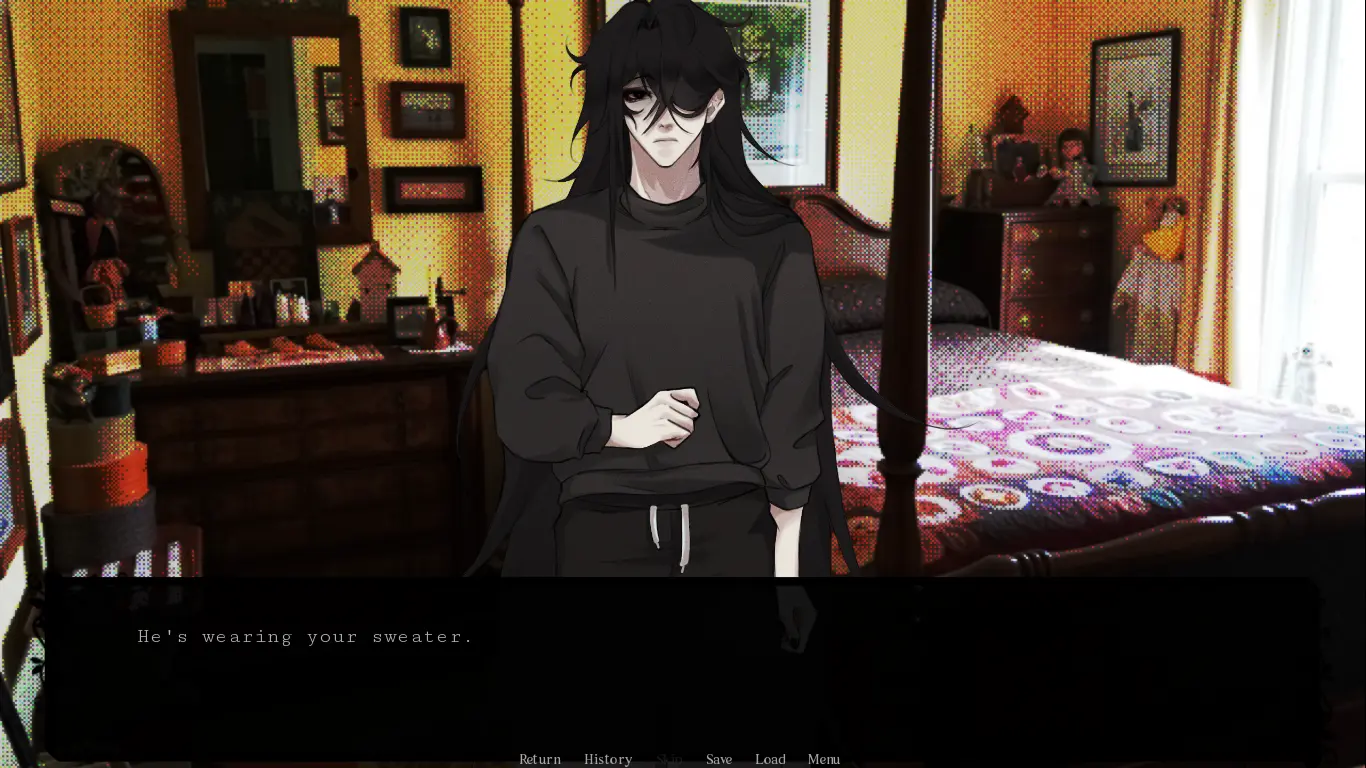
A useful Home Is Where He Is walkthrough begins with mindset, not a list of exact answers. The game is easier to understand when you track emotional control. If a response makes the scene feel warmer, ask whether that warmth also makes the player more dependent. If a response creates distance, ask whether that distance protects you or provokes a sharper reaction. Home Is Where He Is is built for this kind of reading.
When replaying, change one pattern at a time. A route where every answer is cautious will teach you one version of Home Is Where He Is. A route where you lean into trust will teach you another. A route where you resist too hard may reveal a different side of the same relationship pressure. The best walkthrough method is controlled comparison, because changing every choice at once makes it hard to know what actually redirected the route.
Watch for scenes where the meaning of home is restated. Those moments often work like route markers. If the game returns to the same idea in a slightly different emotional key, it may be asking whether you accepted the old meaning or created a new one. Home Is Where He Is often feels simple on the surface, but its route logic becomes clearer when you notice repeated themes.
Players searching for Home Is Where He Is guide information should avoid rushing toward spoilers too quickly. The first run is valuable precisely because you do not know which detail matters yet. After the first ending, return with a calmer eye and start mapping what changed: tone, trust, resistance, fear, and the amount of space the player character was allowed to keep.
The choices in Home Is Where He Is should be read as signals. A gentle answer may suggest trust. A blunt answer may suggest self-protection. A curious answer may invite more closeness than the player intended. That is why Home Is Where He Is routes feel stronger when you think about emotional pattern instead of isolated decisions. One line rarely defines the whole route; repeated posture does.
Endings in this type of psychological horror are most interesting when they feel like consequences of a relationship dynamic. Home Is Where He Is can be approached the same way. Ask what each ending says about safety, belonging, and control. Did the player protect the idea of home, surrender to it, question it, or discover that the idea was never neutral in the first place?
If you want to find more endings, keep notes on the last few choices before each outcome. You do not need a complicated spreadsheet. Simple route notes are enough: trusting route, cautious route, distant route, warm route, resistant route. Home Is Where He Is rewards that kind of small-scale analysis because the story is compact enough to replay while the mood is still fresh.
The strongest endings are often the ones that make earlier scenes feel different in hindsight. A comforting line may sound more possessive after a later reveal. A suspicious moment may look more tragic once you understand the emotional stakes. Home Is Where He Is has replay value because each route can change the meaning of the same home.
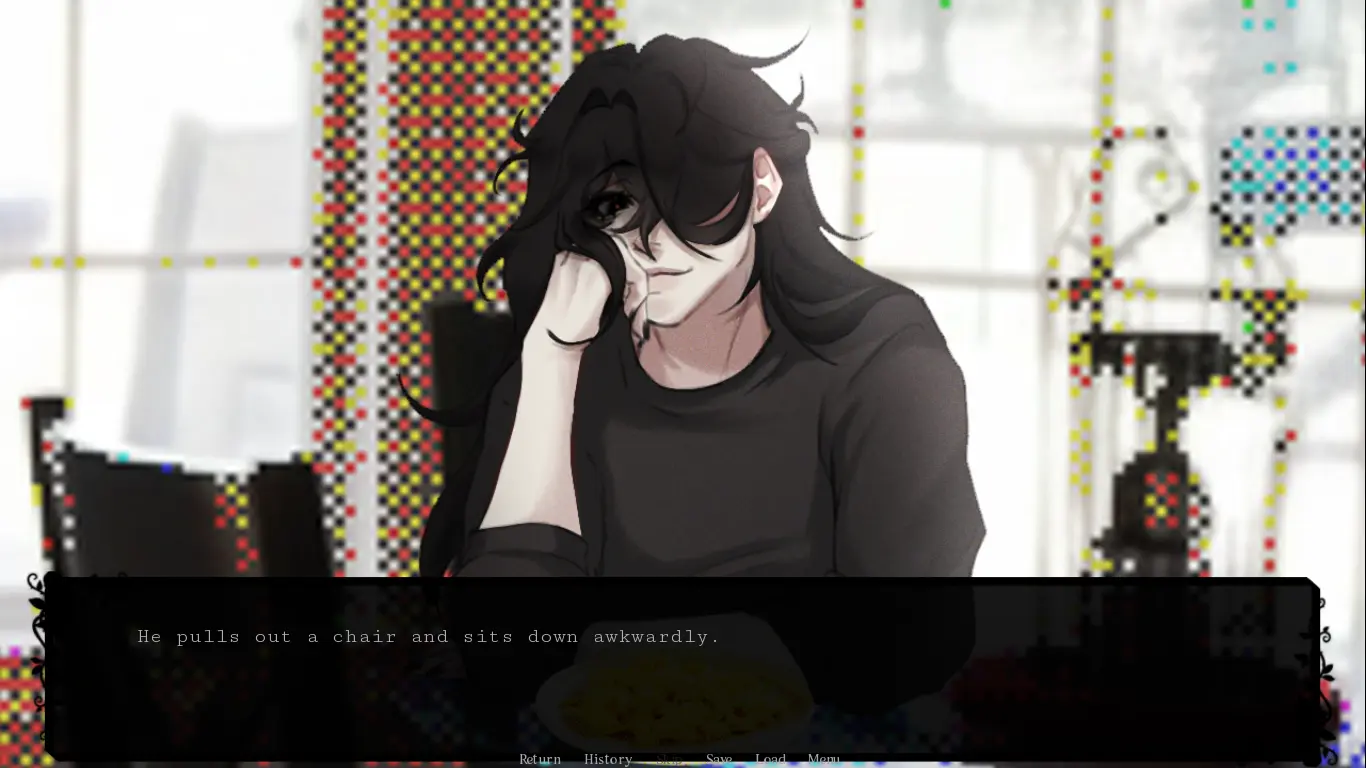
The character pressure in Home Is Where He Is comes from how the story links place and person. He is not only a character in the home. He becomes part of what home means. That gives every interaction an extra layer. When he seems kind, the home seems warmer. When he seems unstable, the home itself feels less reliable. This connection is the core of the game's relationship horror.
Relationship horror works when the player understands the appeal as well as the danger. Home Is Where He Is is not effective because everything is obviously bad from the first line. It is effective because comfort can still be tempting. A player may want the home to be real, the care to be sincere, and the bond to stay safe. The horror grows from the fear that wanting those things may be exactly what makes escape harder.
This is why Home Is Where He Is fits players who enjoy yandere-adjacent visual novels, obsessive romance themes, and stories about control disguised as care. The game does not need a huge cast to build pressure. It only needs the player, him, the house, and the question of whether safety can exist when someone else keeps defining it for you.
Good character writing in this space is not about making a character simply frightening. It is about making the player wonder why the frightening behavior still carries emotional gravity. Home Is Where He Is uses that uncertainty to make each scene feel charged.
The screenshots used on this Home Is Where He Is page are selected to show atmosphere, interface, and visual identity without replacing the experience of playing. The cover image gives the game a strong central identity, while the supporting screenshots show why the browser page belongs in a dark visual novel collection. Home Is Where He Is is a game where the look of a scene matters because stillness can become part of the fear.
Visual novel horror often depends on framing. A character portrait, a quiet background, or an empty-looking image can create more tension than a complicated action sequence. Home Is Where He Is uses that strength well. The screen does not have to be crowded to feel unsafe. Sometimes the most effective moment is the one where the player has too much time to think about what the image implies.
For SEO and accessibility, every image on this page uses descriptive alt text that names Home Is Where He Is and explains what the image contributes. That keeps the page useful for search engines and screen readers without stuffing irrelevant keywords. The goal is clarity: players and crawlers should both understand that this is a browser page for Home Is Where He Is with screenshots, video, gameplay notes, and FAQ.
If Home Is Where He Is does not load immediately, wait a few seconds before refreshing. Embedded browser games can take time to load scripts, images, and audio. If the player stays black, try clicking inside the frame once, then refresh the page. Strict privacy settings, iframe blockers, script blockers, or network filters can prevent the build from starting correctly.
If the game loads but controls feel unresponsive, make sure the player has focus. Click or tap inside the frame before advancing. If the game feels cramped, use fullscreen. If sound does not start, check the browser tab, system volume, and autoplay settings. Many browser games wait for user interaction before audio can play.
Progress behavior depends on how the embedded build stores data. Clearing browser data, switching devices, using private browsing, or disabling storage can remove local progress. Treat Home Is Where He Is browser progress as local unless the game itself provides a separate save system. If you plan to compare routes, keep light external notes so you can rebuild your path if needed.
Home Is Where He Is is best for players who like psychological horror, domestic unease, tense intimacy, and visual novels where the main danger is emotional as much as physical. If you prefer fast combat, constant puzzles, or loud scares every few seconds, Home Is Where He Is may feel too quiet. If you enjoy slow pressure and character interpretation, the quiet is the point.
The game also suits players who like replaying short story experiences. Home Is Where He Is is not only about reaching an ending. It is about reading the path that created that ending. A second run can make the first run feel naive. A third run can make a previously safe choice look suspicious. That layered rereading is one of the pleasures of this kind of horror visual novel.
Because the themes involve control, attachment, fear, and possibly unhealthy intimacy, players should approach Home Is Where He Is when they actually want that type of discomfort. Horror works best when the player chooses the pressure. If the mood is not right, return later. The embedded player will still be here when you are ready.
This page is an unofficial browser-play page for Home Is Where He Is using the supplied embedded build. Game code, story, art, audio, characters, and related assets belong to their respective creator or rights holder. The purpose of this page is to make Home Is Where He Is easy to launch, give players a clear overview, and provide helpful notes without pretending to be the official developer site.
The writing here is intentionally original to survive-min.com. It uses the reference topic only as a guide for what players need to know: how to play Home Is Where He Is online, what kind of horror it offers, how to approach routes, what to do if the iframe does not load, and what questions new players usually ask before pressing Play.
→Home Is Where He Is is a psychological horror visual novel built around domestic unease, relationship pressure, and the fear that a safe place may become unsafe when one person controls what home means.
→Yes. Press Play in the embedded browser player on this page to launch Home Is Where He Is without downloading a separate file.
→Home Is Where He Is focuses on psychological and domestic horror rather than loud action. The fear comes from closeness, control, repeated details, and uncertainty about whether comfort is sincere or dangerous.
→Home Is Where He Is may work on mobile browsers, but desktop or laptop play is usually more comfortable. Use fullscreen or rotate your device if the embedded frame feels cramped.
→Wait a moment, click inside the frame, and refresh once. If Home Is Where He Is still does not load, check script blockers, iframe restrictions, strict privacy settings, or network filters.
→Play your first Home Is Where He Is run naturally. Do not chase a perfect ending immediately. Notice the tone, remember emotional turning points, and use later runs to test different approaches.
→Home Is Where He Is is best approached like a route-based horror visual novel. If you want more outcomes, replay with different emotional patterns such as trust, distance, resistance, or curiosity.
→Home Is Where He Is may appeal to players who enjoy yandere-adjacent horror because it uses obsessive closeness, control, and relationship tension, though its main identity is psychological domestic horror.
→The home setting matters because it should feel safe. Home Is Where He Is creates horror by making that familiar safety conditional, unstable, and tied to the presence of one person.
→No. The videos are optional previews for players who want to see the tone of Home Is Where He Is before starting. You can skip them and begin directly with the browser player.
→The screenshots on this page are used mainly to show the visual style and atmosphere of Home Is Where He Is. They avoid replacing the experience of playing through the story yourself.
→Home Is Where He Is rewards replay because the same home, dialogue, and emotional choices can feel different once you understand more about the relationship pressure behind them.